
Strip and wax, scrub and recoat, burnishing, tile and grout, and carpet extraction, scheduled after hours and matched to every surface in your building.
Floors are the largest surface in any commercial building and the one visitors judge first. They are also where the most avoidable damage happens, because a floor that looks dirty usually gets a stronger cleaner, and the wrong stronger cleaner shortens its life. Premier Cleaning & Janitorial provides commercial floor care across Mobile and Baldwin County: floor stripping and waxing on VCT, scrub and recoat, buffing and burnishing, sealed concrete, LVT, terrazzo, tile and grout, and carpet hot water extraction.
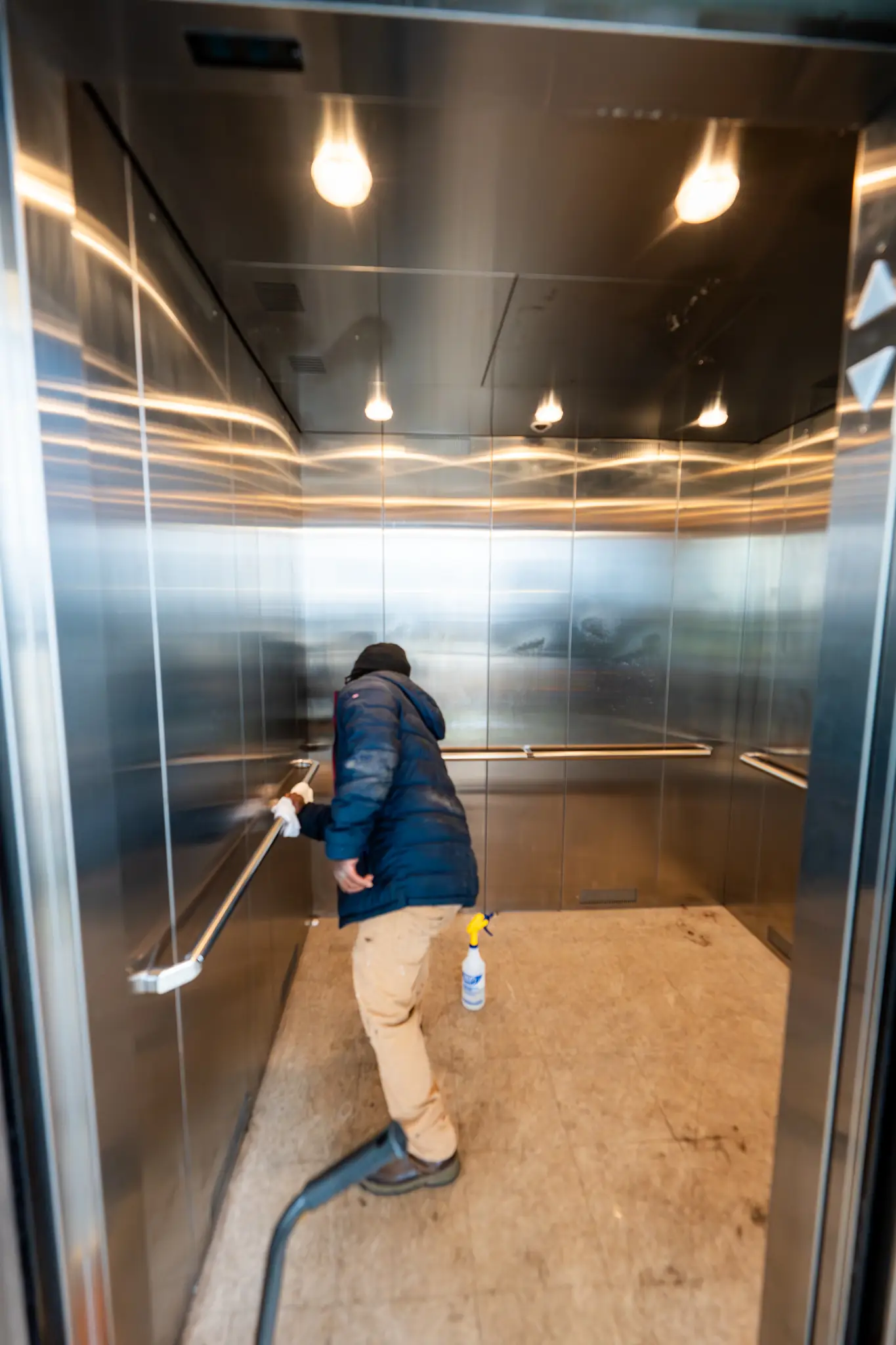
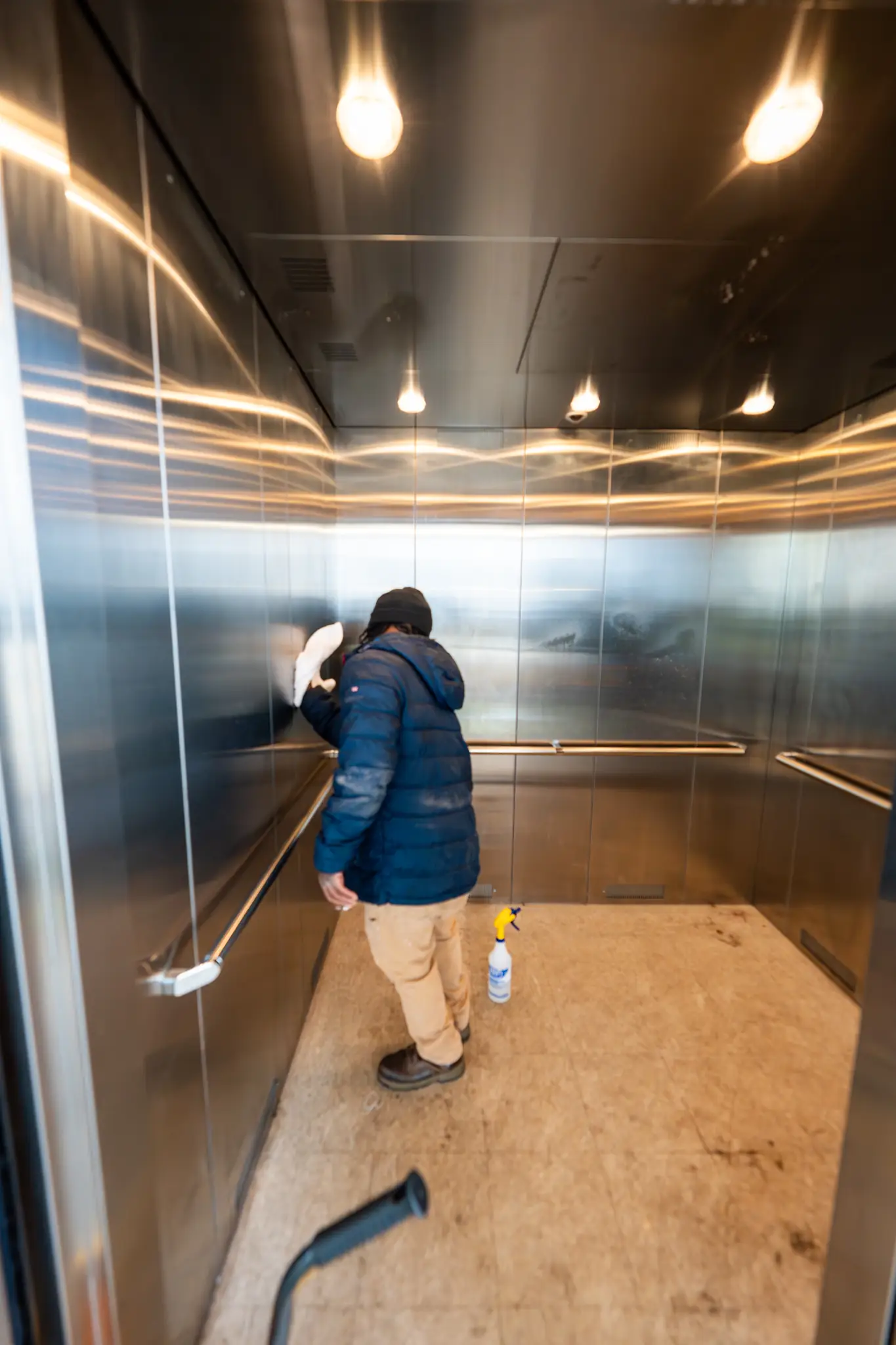
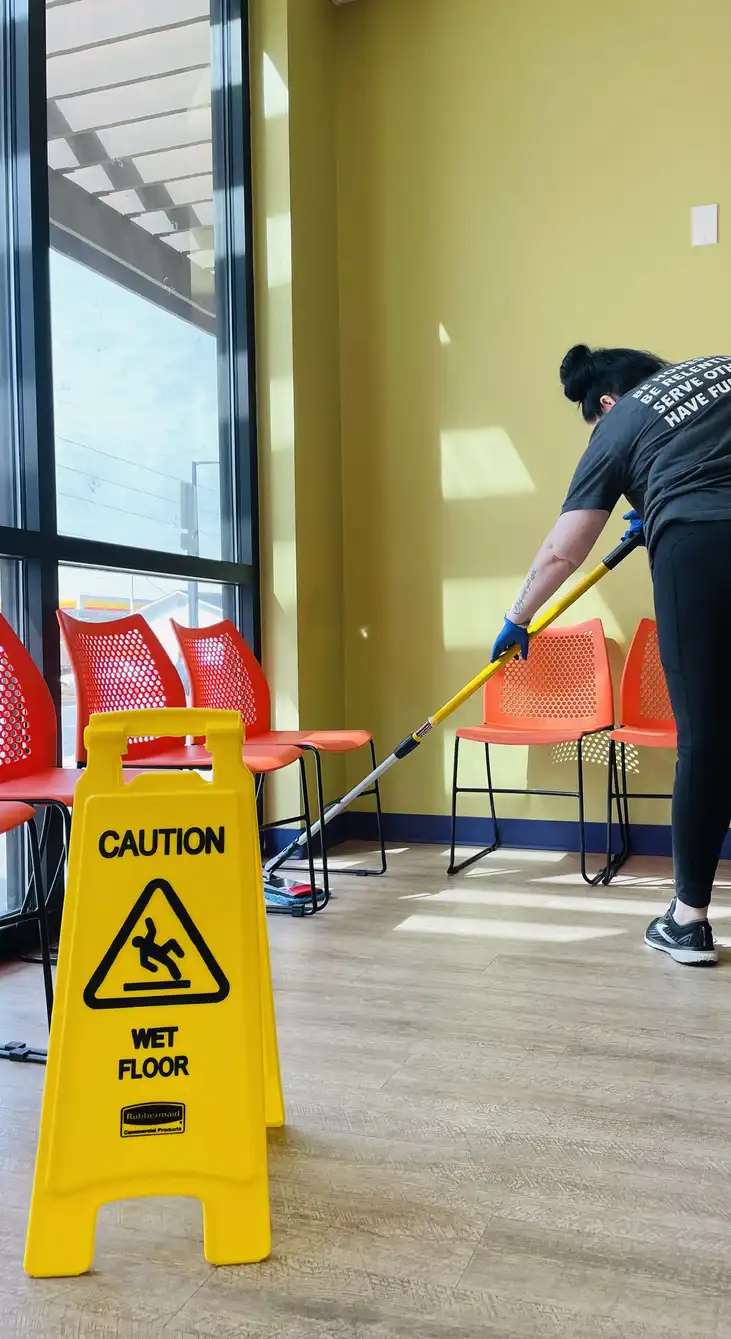
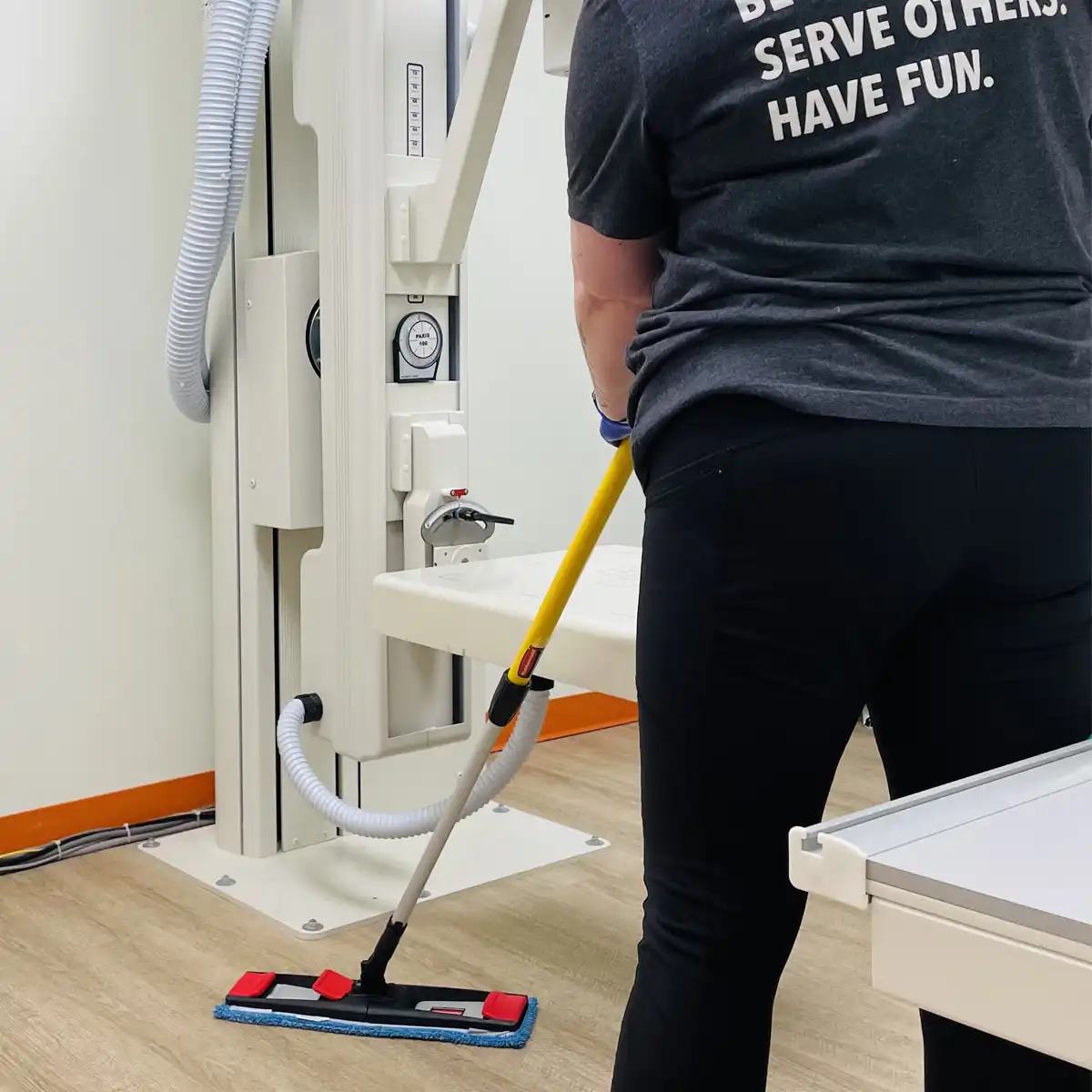
Floor care sits on top of our nightly work, not instead of it. The same crew that dust mops and damp mops your floors every service night knows how each surface wears, and that is who schedules the machine work. We identify every surface during the free walk-through, then write a floor program into the proposal: which surface gets which process, how often, and on which nights. Most floor work happens after hours so the building is dry, open and walkable by the time your staff arrive. See how it fits our 7-step process or read the nightly scope on our office cleaning page.
Scope of work
Each surface needs a different process. This is what we do on each, and what we avoid.
Who we serve
Frequency
Less often than most buildings do it, if the maintenance between strips is right. Stripping removes the finish entirely, so it is the most disruptive and most expensive step in the cycle. The goal of everything else is to delay it.
These are starting points, not a schedule. A vestibule off the parking lot wears faster than a corner office, and a clinic hallway faster than both. We set the interval by walking the floor, and we will tell you when a recoat will do and a strip is not yet needed.
Matching chemistry to the surface
The most common floor damage we see is not neglect. It is the wrong product applied with good intentions. The right choice depends on the material underneath.
If we are unsure what a floor is, we say so and test a small area before we commit. The surface list we build at your walk-through is the document your crew works from.
Pre-inspection, dust, trash, wipe down, restrooms and break rooms, floors, final inspection. Same order, every service night, every building we clean.
Nightly checklist
Pre-inspection walk
Dust — Top-Down
Trash and Recycling
Wipe Down and Disinfect
Restrooms and Break Rooms
Floors
Final Inspection
GPS clock-in verified
Crew 04 · Mobile, AL
Most commercial VCT floors need a full strip and wax every 12 to 18 months, with scrub and recoat every 3 to 6 months between. Foot traffic, entry grit and how well the floor is maintained nightly move that interval either way. We confirm it by inspecting the floor, not by the calendar.
Scrub and recoat cleans the existing finish with a machine and applies fresh coats on top. Strip and wax removes the old finish completely and starts over. Recoating costs less and takes less time, but only works while the finish underneath is sound and not built up with scuffs.
Yes, and that is how most of it is done. Finish needs time to dry and cure, so we schedule stripping and waxing for evenings, overnight or weekends when foot traffic is lowest. We mark the finished area and tell you when it is safe to walk on before your staff arrive.
Usually not. Most LVT is built to be maintained without wax, and polished or sealed concrete is cleaned with neutral products and burnished for shine. We check the manufacturer's guidance where we can, and we will not apply a finish the floor was not designed to hold.
Yes. We pre-treat traffic lanes and spots, then extract with hot water to pull out the soil that vacuuming leaves behind. We adjust moisture to the carpet type and your downtime, and we are honest in advance about stains that may not fully lift.
Nightly service covers dust mopping, damp mopping and vacuuming. Machine work such as scrub and recoat, strip and wax, burnishing and carpet extraction is scheduled separately as periodic work and listed in your proposal, so you know what you are buying and when it happens.
Yes. Restroom grout is scrubbed on a set cycle because it holds soil and odor that a daily mop does not remove. We use products suited to the tile and flag any grout that is cracked or missing, since cleaning cannot repair it.